

How to Introduce Facial Oils Into Your Routine Slowly
Last Updated: November 17, 2026
Quick Summary
Introduce facial oil gradually by starting with one or two drops, used only two evenings per week, and increasing slowly over four weeks. Patch test first on the inner forearm, change only one variable at a time, and judge results by how your skin feels in the morning. A slow start helps your facial oils routine stay comfortable.
- Begin with one or two drops of facial oil on clean, slightly damp skin.
- Patch test on the inner forearm or behind the ear for 24 to 48 hours first.
- Week 1: use one drop, two evenings per week.
- Week 3: move to two drops on most evenings.
- Judge results the next morning; greasiness or tightness means using less.
Table of Contents
- Why Facial Oils Call for a Slow Start
- How to Patch Test Facial Oil Before Full Use
- A Week-by-Week Schedule for Introducing Facial Oil
- How Often to Use Facial Oil as Your Skin Adjusts
- Face Oil Before or After Moisturizer
- How to Use Facial Oil at Night
- Guidance by Skin Type: Oily, Dry, Combination and Sensitive
- Troubleshooting Breakouts, Greasiness and Pilling
- Start Your Facial Oil Routine With a Single Product
- Frequently Asked Questions
Facial oil can be a welcome addition to a skincare routine, and a gradual introduction makes the process simpler and more comfortable for your skin. The good news is that a slow, deliberate introduction makes the process simple and far more comfortable for your skin. This guide from Dehaz Skincare walks you through how to add facial oil to your routine gradually, so your skin has time to adjust.
Why Facial Oils Call for a Slow Start
Facial oils are concentrated, so a little goes a long way. Skin that is used to a light moisturizer may respond differently when it meets a richer layer for the first time.
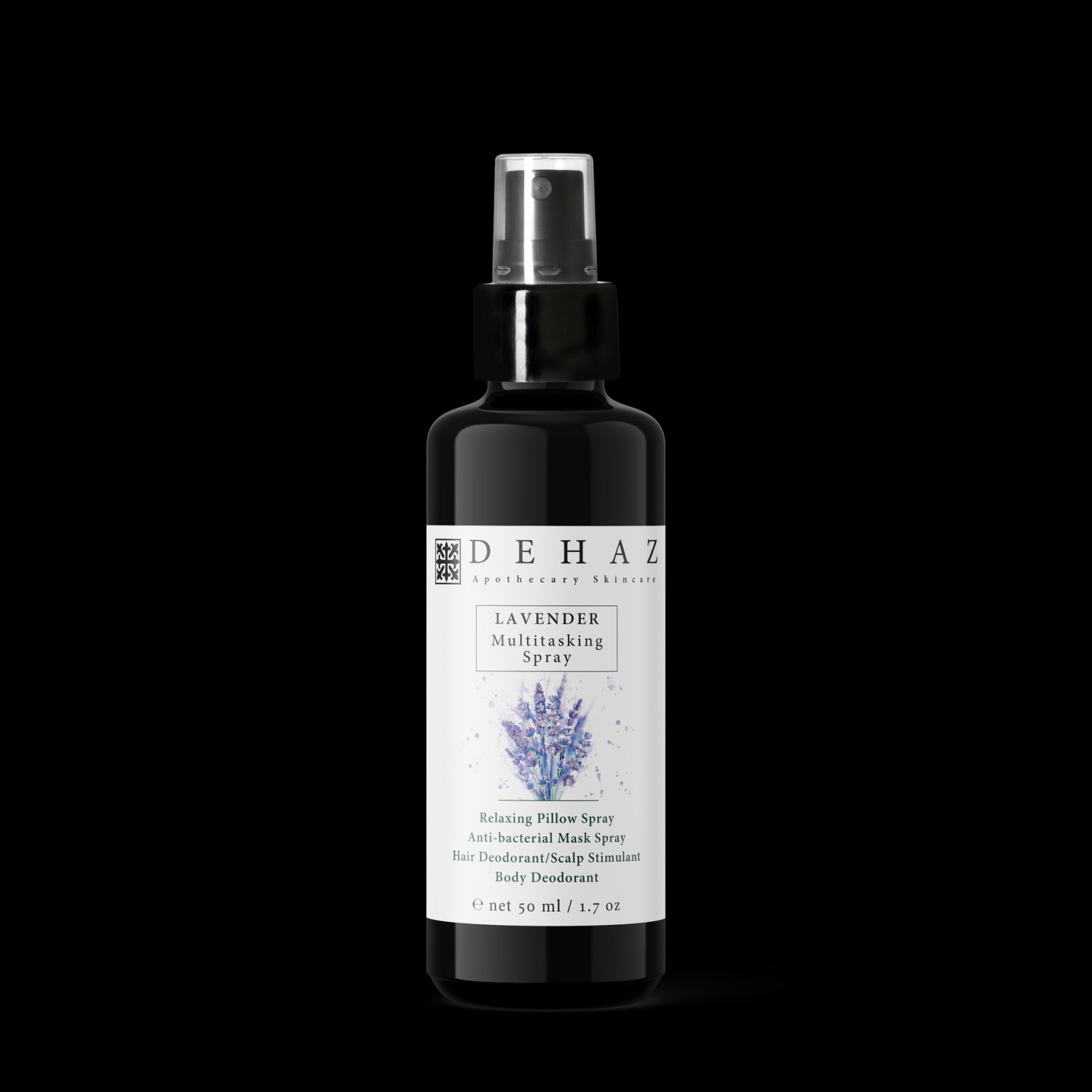
Starting slowly lets you see how your skin responds before you commit to a daily habit. If your skin is easily irritated, you can also browse gentle, low-irritation options for reactive skin to find a calmer starting point.
- Begin with a small amount, about one or two drops
- Use the oil only a few times in the first week
- Watch how your skin feels in the morning
- Increase use only when your skin stays calm
A slow start gives your skin time to adapt to a new facial oils routine.
How to Patch Test Facial Oil Before Full Use
Before you apply a new facial oil across your whole face, test a small area first. Choose a spot like the inner forearm or behind the ear, then apply one drop and leave it on for 24 to 48 hours.
Watch for signs of a reaction, such as redness, itching, bumps, or a burning feeling.
Patch testing is a simple check that many people find helpful, especially if they have sensitive skin or a history of reactions to new products.
A Week-by-Week Schedule for Introducing Facial Oil
A gradual schedule keeps things simple and gives you clear decision points. The plan below uses the evening, since most people find it easier to use facial oil at night when they are not layering sunscreen or makeup on top. Treat each week as a checkpoint rather than a deadline, the goal is calm, comfortable skin, not speed.
- Week 1, Test the waters: Use one drop, two evenings per week (for example, Monday and Thursday). Apply to clean, slightly damp skin after your serum and before moisturizer. On the off evenings, follow your usual routine so you can compare how your skin feels with and without the oil.
- Week 2, Build tolerance: If your skin stayed calm in Week 1, use one drop every other evening. If you noticed any tightness, greasiness, or new bumps, repeat Week 1 for another week before moving on.
- Week 3, Increase the amount: Use two drops, most evenings. This is the week to watch how the oil layers with your moisturizer, if pilling appears, drop back to one drop and press rather than rub.
- Week 4, Settle into a rhythm: Use two to three drops, nightly if your skin feels comfortable. If nightly use feels like too much, every other evening is a perfectly reasonable long-term habit.
A few practical notes on running the schedule:
- Keep every other step of your routine unchanged during the four weeks. If you start a new serum in the same week, you will not know which product is responsible for a change in your skin.
- Judge results in the morning, not immediately after application. A slight sheen at night is normal; a greasy pillowcase or tight feeling by morning suggests you can use less.
- If your skin shows any irritation during the schedule, go back to the previous week's routine for a few days before trying to move forward again. Slow progress is still progress.
Watch out: Do not increase both the number of drops and the number of evenings in the same week. Change one variable at a time so you can tell what your skin is responding to.
The four-week schedule below breaks the introduction into clear steps, so you change one thing at a time.
| Week | What to do | Frequency |
|---|---|---|
| Week 1 | Test the waters with one drop | Two evenings per week |
| Week 2 | Build tolerance if skin stayed calm | One drop every other evening |
| Week 3 | Increase the amount to two drops | Most evenings |
| Week 4 | Settle into a rhythm | Two to three drops, nightly if comfortable |
How Often to Use Facial Oil as Your Skin Adjusts
There is no required timeline for adjusting to facial oil, and skin types adapt at different speeds.
Use the oil less often if your skin feels greasy, tight, or reactive. Using it every other evening is a perfectly reasonable long-term habit for many people.
Pay attention to how your skin feels the next morning. A calm, comfortable face is the best sign that your frequency is right.
Face Oil Before or After Moisturizer
The order you apply products matters. As a general guide, apply lighter products first and richer products last. Since facial oils are usually heavier than water-based serums, they often go on before a moisturizer.
Some people prefer to apply oil after moisturizer to seal in hydration. Others mix a single drop into their moisturizer for a lighter feel. Try each method for a few nights and choose the one your skin prefers.
Whichever order you choose, apply products to clean, slightly damp skin and press them in gently.
How to Use Facial Oil at Night
Evening is a popular time to use facial oil because your skin has a chance to rest and recover. Follow these steps for a simple nighttime routine:
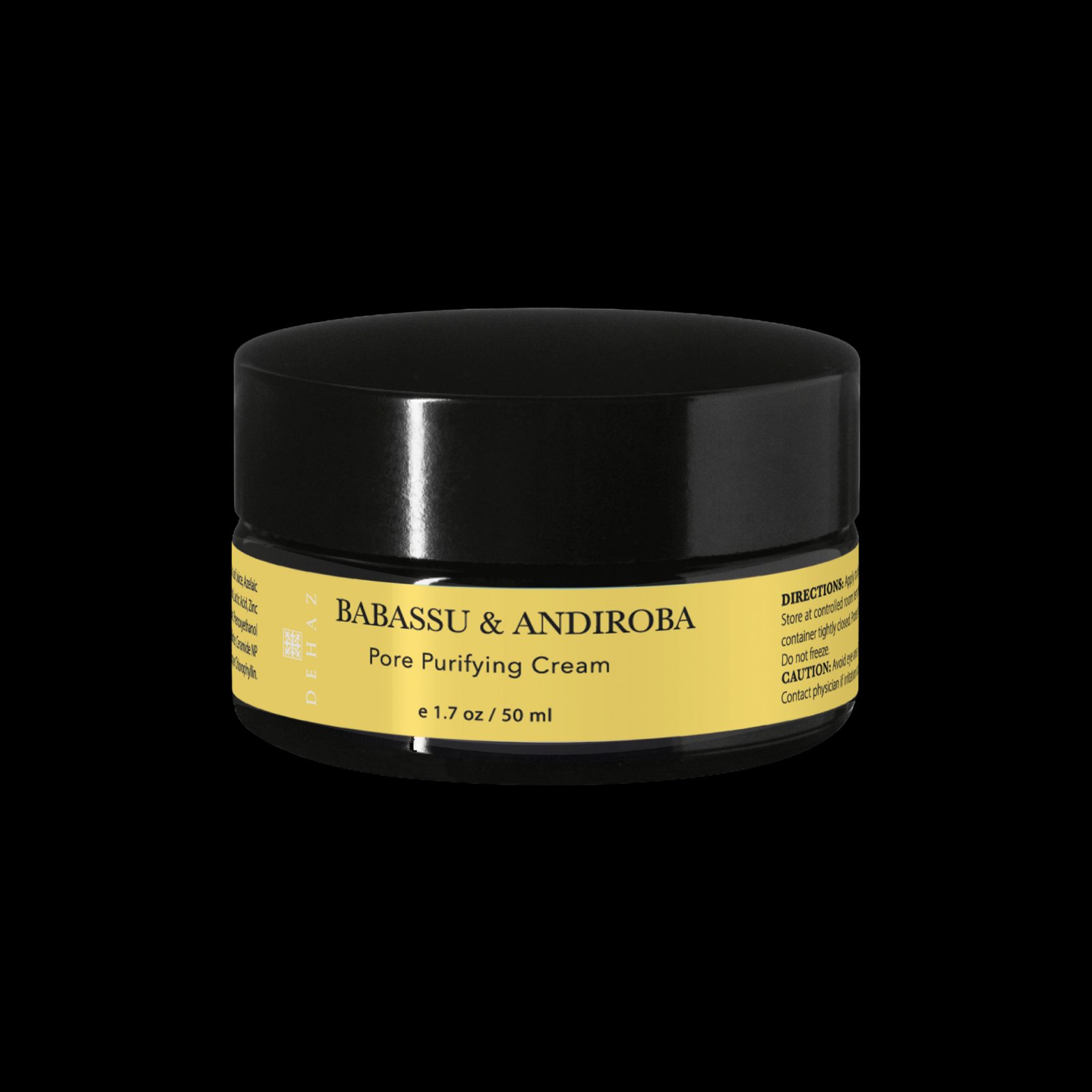
- Cleanse your face and pat it dry gently
- Apply any water-based serum you use
- Warm one or two drops of oil between your palms
- Press the oil into your skin with your fingertips
- Finish with your moisturizer if you use one
Pressing the oil in, rather than rubbing it, helps it absorb more comfortably.
Guidance by Skin Type: Oily, Dry, Combination and Sensitive
Your skin type shapes how you should introduce facial oil, the right starting amount, the best texture, and how quickly you increase frequency all change with your skin's natural oil balance. Use the guidance below as a starting point, then adjust based on how your skin feels the next morning.
Oily skin. Oily skin can still benefit from a facial oil, but the goal is a light, non-greasy layer rather than a rich one. Start with one drop, two evenings per week, and apply it only to areas that feel dry or tight, often the cheeks and jaw, rather than across the whole face. Choose a lightweight, fast-absorbing oil and avoid overloading the T-zone. If your skin feels greasy by morning, reduce to one drop every other evening and blot any excess with a tissue.
Dry skin. Dry skin may prefer a richer oil and a slightly faster ramp-up. Start with two drops, two evenings per week, pressed into damp skin after your serum. Some people with dry skin prefer applying oil before moisturizer. If your skin still feels tight by morning, you can move to every other evening in Week 2 rather than waiting a full week. For richer layering options through the colder months, see winter skincare for dry skin.
Combination skin. Combination skin may suit a split approach: one drop on the dry areas (cheeks, jawline) and none on the oily areas (forehead, nose, chin) for the first two weeks. From Week 3, you can apply a thin layer across the whole face if the oily areas have stayed calm. A lightweight oil with a non-greasy finish suits this skin type well.
Sensitive skin. Sensitive skin calls for extra caution. You can browse products designed for sensitive skin before choosing an oil. Patch test every new oil on the inner forearm for 24 to 48 hours before applying it to your face, keep the amount to one drop, and start with two evenings per week. Increase frequency only after two full weeks of calm skin. If you notice redness, itching, or a burning feeling, stop using the oil and return to your previous routine.
Acne-prone skin. If you are prone to breakouts, you may prefer to introduce oil more slowly, starting with one drop once or twice per week. Apply it only to areas that feel dry, and keep it away from active breakout areas. Choose a lightweight oil and watch for new bumps along the jawline and hairline, which are common places for product-related breakouts to appear. If new breakouts show up, pause the oil for a week and restart with a smaller amount and less frequent use. Because breakouts can have many causes, changing one product at a time makes it easier to spot the trigger.
Whichever skin type you have, the same principle applies: start with less than you think you need, increase slowly, and let your morning skin be the judge. If you are unsure which category you fall into, start with the oily-skin approach, it is the most conservative starting point and you can always add more.
Troubleshooting Breakouts, Greasiness and Pilling
If your skin feels greasy, reduce the amount of oil or apply it less often. Blotting excess oil with a tissue in the morning can also help.
If you notice new breakouts, pause the oil for a week and then restart with a smaller amount. Breakouts can have many causes, so changing one product at a time makes it easier to spot the trigger.
Pilling, which looks like small rolls of product on the skin, can occur when product is layered heavily. Using fewer drops, allowing each layer to settle, and pressing gently rather than rubbing may help.
Start Your Facial Oil Routine With a Single Product
Starting with one facial oil keeps your routine simple and makes it easy to track how your skin responds. Adding several new products at once makes it hard to know what is helping or causing a problem.
Choose one oil that suits your skin type, patch test it, and follow the weekly schedule above. For a streamlined approach, see a simple routine built for combination skin. Once your skin feels comfortable, you can decide whether to keep it as part of your routine.
The Amber Balance Elixir is a botanical oil serum formulated for oily and acne-prone skin, and the SÈVE BLEUE Blue Cypress & Tansy Clarifying Botanical Serum is a clarifying botanical serum with a resinous, green scent. You can also explore a specific facial oil formulated for shine-prone skin. Introduce one at a time, and give your skin the patience it deserves.
Frequently Asked Questions
How can I include face oil in my skincare routine?
Add facial oil after cleansing and any water-based serum, then finish with your moisturizer or let the oil sit on its own at night. Start with two or three drops, spread across the face and neck with upward strokes, and give it about a minute to absorb before the next step. Use it two or three evenings a week at first, then adjust as your skin responds.
What goes first, facial oil or moisturizer?
In most routines, a lighter product goes on first, so facial oil usually comes before a thicker moisturizer. Applying the oil first lets it absorb into clean skin before the moisturizer. If your moisturizer is already lightweight, you can also mix a drop of oil into it instead of layering separately.
How often should I use a facial oil when I am just starting?
When you first begin, use facial oil two or three evenings a week, applying only a few drops. Keep your other products the same so you can tell how your skin reacts. After a couple of weeks with no irritation, you can move to nightly use if your skin feels comfortable. Stop and reassess if you notice redness, stinging or new breakouts.
How do I patch test a new facial oil?
Apply a small amount of the oil to a discrete area such as the inner arm or behind the ear once a day for three to five days. Check the spot for redness, itching, swelling or bumps. If irritation appears, stop using the product and consult a dermatologist or licensed esthetician.

