

Azelaic Acid and Niacinamide in a Botanical Cream for Oily, Combination Skin
Oily skin is rarely a problem of too much moisture. More often it is a problem of the wrong kind of moisture, or of a routine so stripping that the skin answers with even more shine by mid-afternoon. A lightweight cream built around azelaic acid and niacinamide, two of the most respected actives in professional skincare, takes a different route: it aims to refine the look of pores, soften visible shine and even out post-blemish marks while still leaving the skin comfortable.
That is the idea behind the DEHAZ Babassu & Andiroba Pore Purifying Cream, a botanical moisturizer for oily-looking, congested and combination skin. This article looks at what each of its main ingredients is, why they make sense together, and how the cream feels and fits into a routine.
What is azelaic acid, and why is it in a moisturizer?
Azelaic acid is a nine-carbon dicarboxylic acid. It occurs naturally in grains such as wheat, rye and barley, and it is also produced by a yeast that lives on human skin. For cosmetic use it is typically made through fermentation, which is how the product page describes the azelaic acid in this cream.
A 2024 review of its mechanisms describes several behaviors that explain why formulators keep returning to it. It is mildly antibacterial toward skin organisms linked to breakouts, it gently slows the way keratinocytes build up on the surface, it interferes with tyrosinase (the enzyme that drives melanin production), and it has antioxidant and soothing properties. In plain terms, one molecule speaks to three things that people with oily skin notice: congestion, texture and leftover marks.
One point deserves honesty. Most of the clinical research on azelaic acid uses prescription-strength percentages, commonly 15 to 20 percent. Cosmetic creams use lower levels and combine azelaic acid with other ingredients, so the research explains why the ingredient is respected rather than predicting a specific result from any single jar. The same review notes that the most common reaction at higher strengths is mild, temporary stinging or itching, which is one reason a cream format with soothing partners is appealing for daily use.
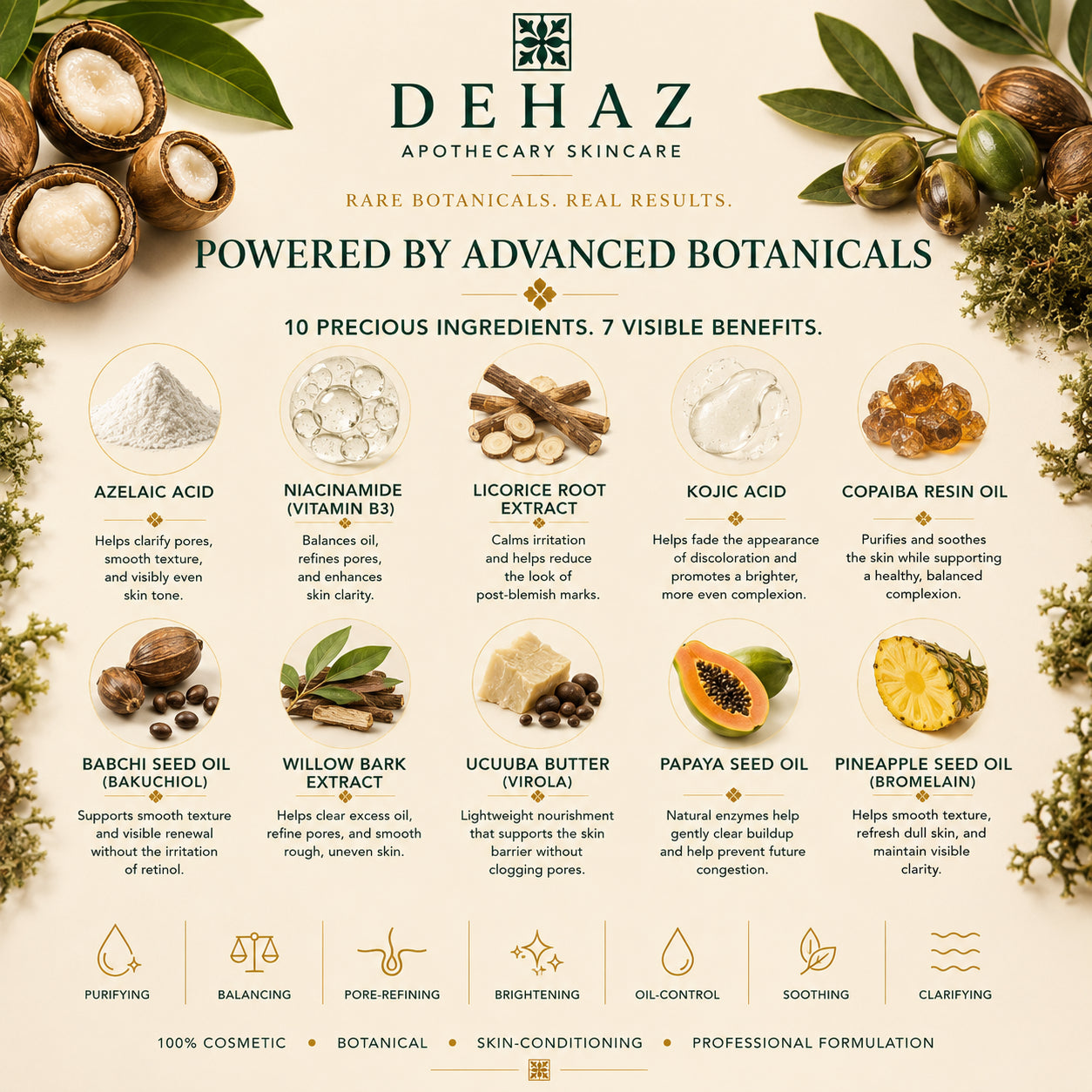
Niacinamide: the quiet partner
Niacinamide, the amide form of vitamin B3, is the multitasker of the pair. A review in Practical Dermatology summarizes studies in which a 2 percent niacinamide product reduced sebum excretion and the visible size of pores over four weeks. The same review describes niacinamide as supporting the skin's lipid barrier by raising ceramide and free fatty acid levels, and notes that it works on pigmentation differently from azelaic acid: instead of inhibiting tyrosinase, it appears to limit the transfer of melanosomes (pigment packets) to surrounding skin cells.
That difference is useful. Two actives that reach uneven tone by different routes, one active on congestion and the other on shine and pore appearance, make a more complete picture than either alone. It is a formulation logic rather than a promise, and it explains why this pairing shows up so often in professional treatment rooms.
Babassu, andiroba and copaiba: the Amazonian oils
The botanical side of the cream is rooted in the Amazon basin. Babassu oil is pressed from the kernels of the babassu palm and is rich in lauric acid, a medium-chain fatty acid. It is a light oil that absorbs quickly, which is why it suits a cream meant to finish with a soft matte feel instead of a slick film.
Andiroba oil comes from the seeds of Carapa guianensis, a tall rainforest tree, and has a long history in Amazonian traditions of skin care. It contributes limonoids along with oleic, linoleic and palmitic fatty acids. Copaiba resin oil, harvested from wild copaiba trees, is notable for beta-caryophyllene, a sesquiterpene with antioxidant character. Ucuuba seed butter, another Amazonian ingredient, adds a velvety slip without the weight of a heavier butter.
Together they give the cream a plant-lipid base, which matters for oily skin more than people expect. Skin that produces plenty of its own oil can still be short on the right lipids, and a stripped surface tends to look dull and rough while staying shiny. Ceramide NP, cholesterol and linoleic acid, listed together on the ingredient panel, are skin-identical lipids that help support the look of a comfortable, intact moisture barrier.
The supporting cast
Several other ingredients round out the formula. Licorice root extract (a source of glabridin), arbutin and kojic acid are all long-established brightening ingredients used to help the look of post-blemish marks and uneven tone. Willow bark extract contributes salicin, a plant compound associated with gentle surface refinement. Papaya seed oil and pineapple seed oil bring an enzyme-fruit note to the formula, panthenol and allantoin add comfort, and bakuchiol, supplied through babchi seed oil, offers a plant-derived option for smoother-looking skin. The ingredient list also includes natural essential oil fragrance, so anyone with scent sensitivities should read the full list before use.
How it feels and how to use it
The cream is lightweight and fast absorbing, with a silky texture that settles into a soft matte finish. It is designed to sit comfortably under sunscreen and makeup without leaving residue, which makes it a practical daytime moisturizer for people who dislike heavy layers.
Apply to clean, toned skin morning and/or evening, massaging gently into the face and neck until absorbed. It can be used alone or after DEHAZ serums. Because it contains active ingredients, follow daytime use with sunscreen, and introduce it gradually if your skin is new to azelaic acid or kojic acid. The guidance in Avoiding Irritation With Potent Natural Skincare applies here, and How to Layer Botanical Skincare Products explains where a cream like this sits in the order of a routine.
Building a routine around it
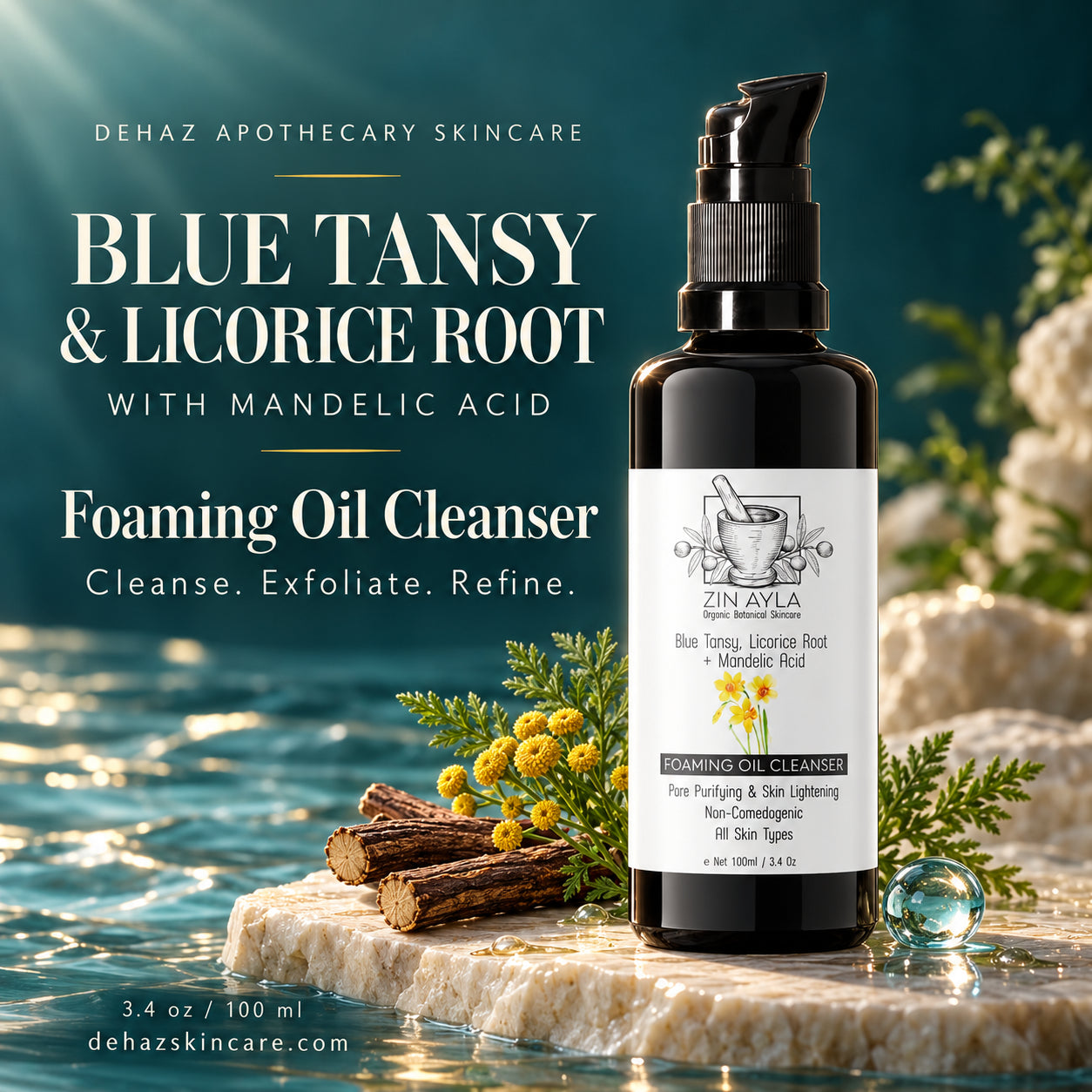
Oily and combination skin tends to do best with a short, well-chosen routine. A cleanser that clears the day without leaving the face tight is the natural first step. The Blue Tansy, Licorice Root & Mandelic Acid Foaming Oil Cleanser is formulated to purify pores and lift excess sebum with mandelic acid and kaolin clay, and its licorice root and niacinamide echo the ingredients in the cream, which gives the two a shared logic.
For a lightweight hydration layer between cleansing and the cream, the Moroccan Rose Essence Serum is a water-based essence built on Rosa damascena water, with niacinamide, mandelic acid and licorice root in its list as well. Its directions describe it as the essence step after cleansing and toning, before oils, creams and masks. More lightweight cream options sit together in the DEHAZ moisturizer collection.
If you are weighing how to treat shine in one zone and dryness in another, Balance Oily and Dry Skin Naturally goes deeper, and How to Treat Hyperpigmentation With Botanicals covers the brightening side of the story, including post-inflammatory hyperpigmentation.
Frequently asked questions
Can a cream help skin that looks oily?
Yes, when the cream is light and the oils in it are chosen with oily skin in mind. A formula that hydrates without heaviness, supports the lipid barrier and includes refining actives gives shine-prone skin comfort, which can mean less of the rebound oiliness that follows stripping.
Is azelaic acid the same as a hydroxy acid?
No. Azelaic acid is a dicarboxylic acid with its own set of behaviors, including effects on keratinocyte buildup and on tyrosinase. It is often discussed alongside hydroxy acids because all of them are used for clarity and texture, but it works differently and tends to be associated with milder, temporary sensations in research.
Can I use niacinamide and azelaic acid together?
They are frequently combined in professional cosmetic formulas and are present together in this cream. Add new actives one at a time and watch how your skin responds, particularly if you already use other exfoliating or brightening products.
Is this cream only for oily skin?
It is designed for oily, congested and combination skin, where its light texture and soft matte finish are most welcome. Very dry skin may prefer a richer cream from the moisturizer collection.
Where to start
If shine, visible pores and leftover marks are what you notice most, the Babassu & Andiroba Pore Purifying Cream is a single step that addresses all three through texture, botanical lipids and well-researched actives. Explore DEHAZ products. For wholesale, email a picture of your professional license to Info@dehazskincare.com.
References
- Feng X, Shang J, Gu Z, Gong J, Chen Y, Liu Y. Azelaic Acid: Mechanisms of Action and Clinical Applications. Clinical, Cosmetic and Investigational Dermatology. 2024;17:2359-2371. doi:10.2147/CCID.S485237
- Lain T, Farris PK. Niacinamide: A Multi-functional Cosmeceutical Ingredient. Practical Dermatology. practicaldermatology.com
Disclaimer: DEHAZ Apothecary Skincare® products are cosmetic products and are not intended to diagnose, treat, cure, or prevent any disease or medical condition. Product information is provided for cosmetic and educational purposes only and is not a substitute for medical advice. Always review the complete ingredient list before use, particularly if you have known allergies or sensitivities. Discontinue use if irritation occurs. If you have a medical condition, known allergy, or concerns regarding the suitability of a product for your skin, consult an appropriate healthcare professional before use.
